Position Paper 1- Perspectives of 'Local' News
Local News in Japan

News sources in Japan have developed a reputation for being extremely structured, often involving major news outlets being involved in "press clubs" in order to establish long-term relationships with news their news sources. In contrast, many American media companies rely on eye-catching stories and "getting the scoop" on current events. Japan's reliance on local, consistent relationships, affects major news outlets as well as the cultural differences that must be accounted for when Japanese producers create content for local and foreign audiences.
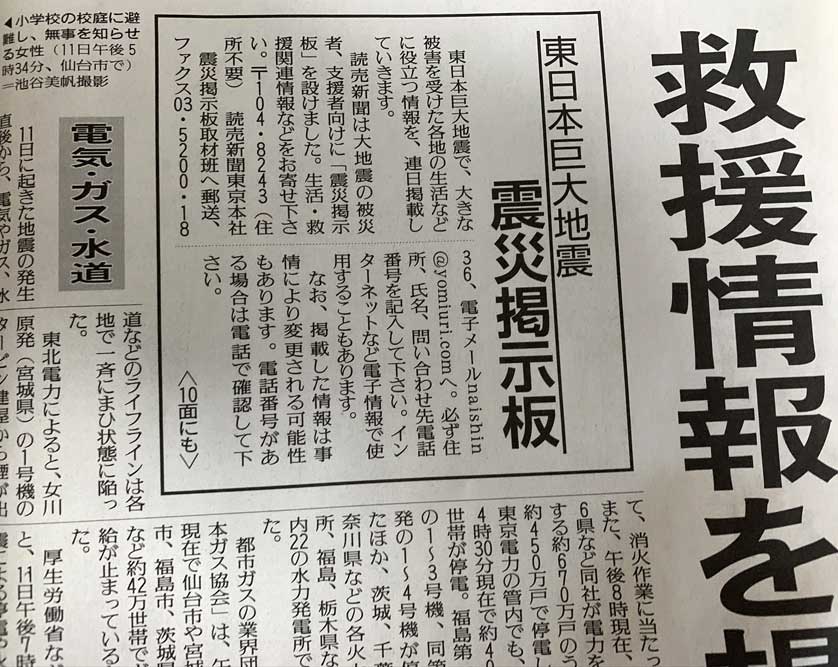
- Front page (一面 ichimen) - Features the top news stories of the day
- Society (社会 shakai) - Covers domestic news, crime, and human interest stories
- Politics (政治 seiji) - Reports on political developments, government policies, and international relations
- Economy (経済 keizai) - Focuses on business, finance, and economic issues
- Sports (スポーツ supōtsu) - Provides coverage of domestic and international sports events
- Culture (文化 bunka) - Includes articles on arts, entertainment, and lifestyle topics


@memezar 🤣🇯🇵 Japanese game shows are known worldwide for their wild creativity, unique humor, and willingness to push contestants into bizarre and hilarious situations. They often combine physical challenges, slapstick comedy, and over-the-top punishments, creating a style of entertainment that is both chaotic and captivating. Shows like “Takeshi’s Castle” and “Sasuke” (known internationally as “Ninja Warrior”) have become global favorites, showcasing endurance, agility, and humor in equal measure. What sets Japanese game shows apart is their emphasis on spectacle and unpredictability. Contestants might face outrageous obstacle courses, try to keep a straight face during ridiculous pranks, or endure strange but funny penalties. At their core, these shows highlight the joy of not taking oneself too seriously, blending competition with comedy in a way that appeals to audiences far beyond Japan. Like this content? Follow us for more @memezar ❤️ #memezar #shows ♬ original sound - Memezar
It's not only the concepts that make Japanese game shows so enticing to foreign audiences. The editing styles often incorporate wacky noises and an editing approach that is reminiscent of early 2000s American television programs.
Japanese game shows garner hundreds of thousands of viewers across the nation by bringing in celebrity guests and incorporating easily understandable concepts that entice viewers. Certain shows even feature similar concepts to American game shows, and these interpretations showcase the different approaches to TV entertainment. During the past few years, American media has featured the obsession with creating objects made out of cake, thus sparking the creation of Is it Cake?, a game show where contestants compete to correctly guess which items are hyperrealistic cakes.
@fortunefeimster If anyone knows cake, it’s this gal. #isitcake #isitcakeorreal? #funny #gameshow ♬ original sound - Fortune Feimster
Japan has a similar game show, in which celebrities have to try to and find household items that are disguised candy. Unlike the more cinematic approach of modern American game shows, the Japanese counterpart relies on sparkly overlaid text, audience reactions, and over exaggerated celebrity personas to create a goofy watching experience. With such silly concepts and lighthearted execution, it is no surprise that viral clips of these game shows have brought in millions of international views within the past few years.
In addition to game shows, baseball coverage is one of the most popular forms of televised entertainment in Japan. United States readers may occasionally see some familiar Major League Baseball team names featured in Japanese news outlets. Many Japanese baseball stars, such as Masataka Yoshida, are routinely featured in the news with updates on their athletic careers.
 |
| Picture taken from The Japan Times |
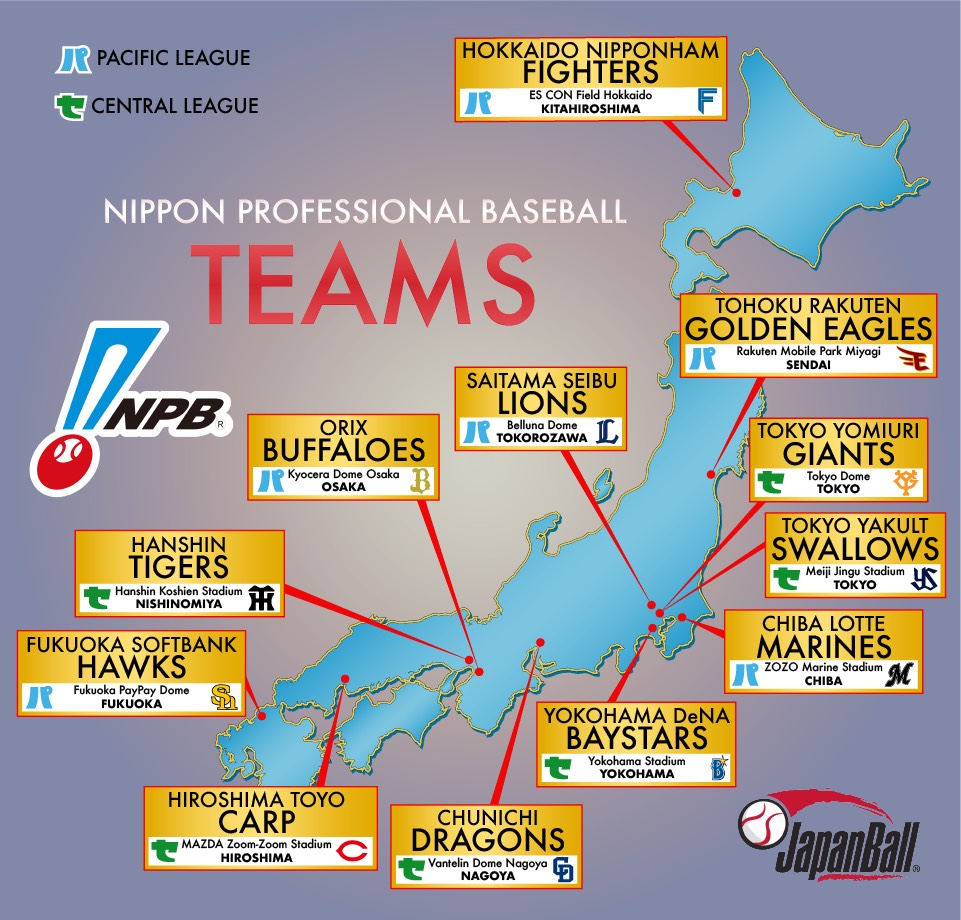
MLB coverage in Japan overshadows even Nippon Professional Baseball (NPB), the second-largest baseball league in the world that is focused in Japan itself. Since baseball is a well-known sport among English speakers, especially Americans, many popular news sources that cover the NPB are geared toward that audience. Japan Ball is one of the most popular outlets behind The Japan Times, and their current news team is composed of Japanese natives as well as fans who moved to Japan from the United States and Canada.
Even though Japanese news culture is much more exclusive and somewhat more censored that American media, Japanese news sources have certainly earned their reputation of consistency and factuality. Within recent years, several of the most popular outlets have done an outstanding job of making Japanese news accessible to English speakers. The largest inhibitor of intaking these news sources is the lack of foreign stories included in many sources due to Japan's extreme focus on only domestic events and cultural ties. In the future, it would be beneficial to provide viewers with broader news coverage while still maintaining the facts-forward approach that Japanese news is known for.
Comments
Post a Comment